Getting Game Day Ready with Square: Building with Atlanta's Entrepreneurs Before the World Cup
Getting Game Day Ready with Square: Building with Atlanta's Entrepreneurs Before the World Cup
When FIFA announced that Atlanta would host matches in the 2026 World Cup, the city's entrepreneurs were paying close attention. For the restaurant owners, retailers, and service providers who have spent years building businesses in one of the South's most dynamic cities, the tournament represents a once-in-a-generation influx of visitors, spending, and visibility. It also represents a real operational challenge: how do you scale a business you've built around knowing your customers when thousands of new ones show up all at once?
On April 7, Block brought that question, and some answers to Atlanta Neighborhood Business.
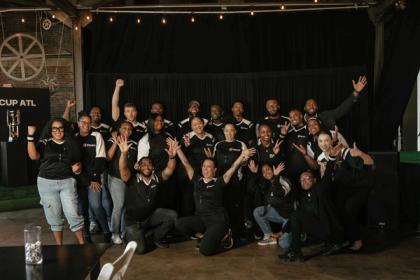
Getting Game Day Ready with Square was a full-day immersive experience designed around Atlanta's entrepreneurs: hands-on hardware training, one-on-one seller consultations, and an honest conversation about what it takes to grow a business without losing what made it worth visiting in the first place. More than 76 business owners attended and nearly every one walked out with working hardware, a configured account, and a direct support contact.
Rooted in Community
The activation was built on relationships Block had been investing in long before FIFA became the headline. We partnered with Showcase Atlanta, an organization connecting Black and minority-owned businesses to economic opportunity and Citizen Supply, a longstanding Square seller at Ponce City Market, to anchor the day in Atlanta's entrepreneurial community.
Four Atlanta Square sellers joined a Seller Huddle panel moderated by Jenni Lewis-Ford, Block's Global Inclusion & Diversity Lead, to share what they've learned about scaling under pressure:
- Lauren Burke Bennett, founder of Urban Grind ATL
- Aaron, co-founder of Portrait Coffee
- Rosa Thurnher, owner of El Ponce
- Aliah Jefferson, owner of Zaddy's
The conversation centered on the sellers' lived experience preparing for FIFA level demand, building loyal customer bases, and finding growth strategies that preserve what makes a neighborhood business irreplaceable. Sellers heard from peers who have navigated the exact challenges they're facing.
Coaching for the Moment
Four specialized training stations gave sellers hands-on time with the tools they'd actually use on game day. Restaurant operators worked through menu configuration, kitchen printer integration, and high-volume ticket management. Service businesses explored Square Appointments, including deposit management and no-show protection, critical for businesses navigating unpredictable seasonal demand. Retail sellers tested full checkout flows across Square Terminal, Handheld, and Tap to Pay on iPhone.
A Coach's Playbook session led by Emmanuel Tunrarebi, Senior Strategic Account Management Lead, translated platform capabilities into operational strategy: how to protect against downtime during high-volume days, how to use Customer Directory and marketing automation to turn first-time visitors into regulars, and how Block's ecosystem payments, payroll, banking, capital, and marketing creates advantages that individual tools can't.
Sellers left with a game plan.
What the Field Teaches Us
“When inclusion guides how we enter a community, the result isn't just better events, it's deeper trust, and more honest conversations about what sellers actually need.” Jenni Lewis, Head of Inclusion, Block
Atlanta's World Cup moment is still months away. But the groundwork is already showing up in measurable ways. Sellers left with more than ideas, they left with operational readiness: hardware in hand, systems configured, and clear strategies to handle surges in demand without compromising the customer experience that built their business in the first place.
When the world arrives in Atlanta, these businesses won’t just be ready to serve, they’ll be ready to grow, compete, and define the experience of the city itself.
This is what it looks like to prepare a local economy for a global stage. Not just scaling transactions, but strengthening the businesses behind them. Not just showing up for the moment, but investing in what comes after it.